Auto Watering System For Greenhouse Explained: A UK Buyer's Guide
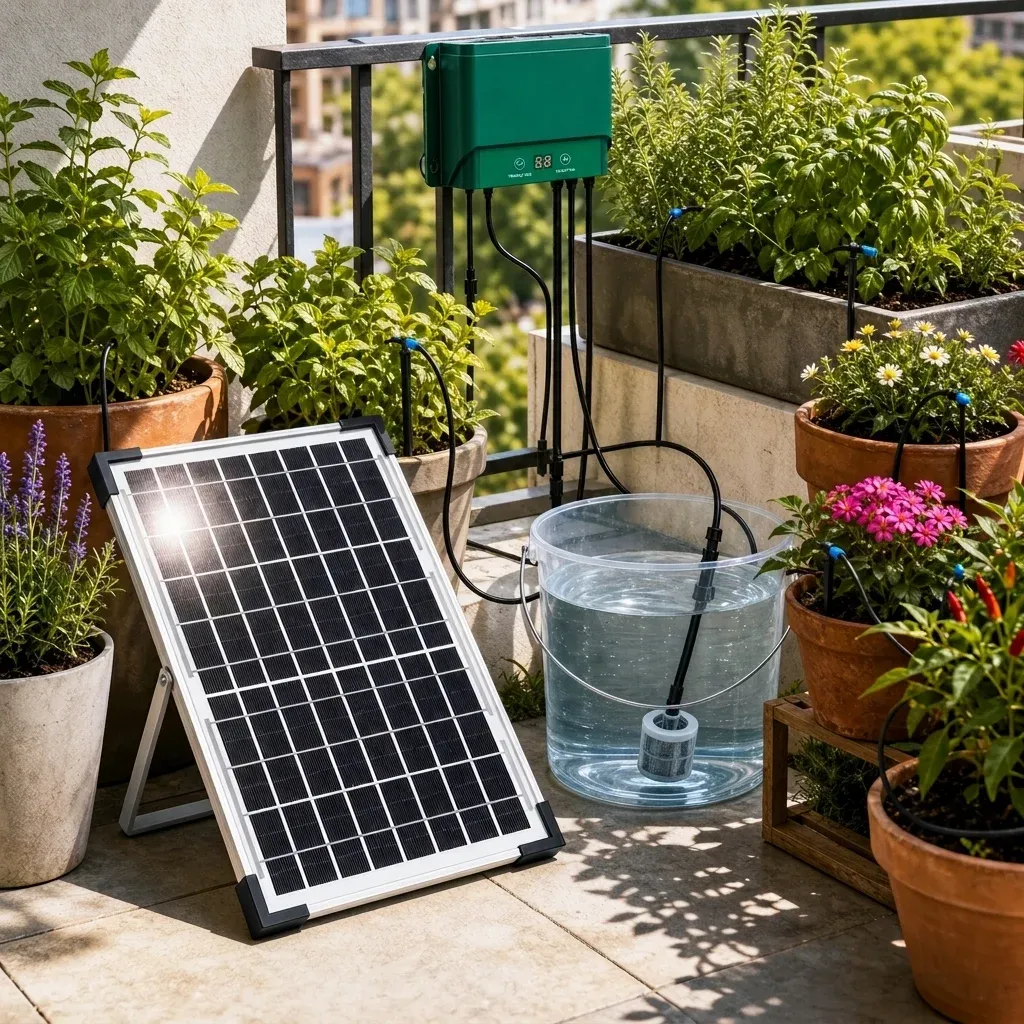
TL;DR: An auto watering system for greenhouse use gives plants regular, measured irrigation without relying on daily hand watering. For most UK gardeners, a drip-based system is the best option because it waters roots directly, reduces waste and helps keep greenhouse crops healthier during warm weather or while you are away. Solar-powered kits are especially practical where mains power is awkward.
An auto watering system for greenhouse growing is a setup that automatically delivers water to pots, grow bags or beds at scheduled times, usually through drip lines or drippers. In UK greenhouses, this helps prevent compost from drying out too quickly, improves watering consistency and reduces stress on crops such as tomatoes, chillies, cucumbers and seedlings.
A greenhouse can transform what you grow in the UK, but it also creates one of the easiest places to get watering wrong. Under glass, compost dries faster, temperatures rise quickly on bright days, and missed watering can stress plants in a matter of hours. Therefore, automated irrigation is often less about convenience alone and more about protecting plant health.
For British growers, the challenge is not only convenience. It is consistency. Whether you are managing a compact lean-to in a city garden or a larger greenhouse on an allotment, automated watering can reduce waste, support stronger growth and make day-to-day gardening far easier during warm spells or while you are away.
At SolarIrrig, the focus is simple: solar watering system for greenhouse plants you can trust. Based on our testing of small-space and hobby greenhouse layouts, reliable drip delivery, easy timer control and compatibility with UK water butts matter more than flashy features. Our 10W solar drip irrigation kit includes 30 drippers and is designed for greenhouse pots, grow bags and patio layouts.
Key Takeaways
- An auto watering system for greenhouse plants delivers more consistent moisture than hand watering and can help reduce plant stress.
- Drip irrigation is usually the best fit for UK greenhouses because it targets roots directly and wastes less water.
- Solar-powered systems are especially useful where mains power is inconvenient or unavailable.
- The best setup depends on greenhouse size, number of pots or beds, water source and how often you are away from home.
- Look for adjustable flow rates, reliable timers, durable tubing and compatibility with water butts or reservoirs.
- A well-installed system still needs seasonal checks for blocked drippers, algae build-up and battery performance.
Why do greenhouse growers in the UK use automatic watering systems?
The British climate can be misleading. Outdoor conditions may feel mild, yet temperatures inside a greenhouse can rise sharply even on a sunny spring day. As a result, there is often only a small margin between healthy growth and drought stress. Hand watering once in the morning is not always enough for thirsty crops in containers.
An automatic system brings regularity. Instead of soaking some pots and missing others, it applies controlled amounts at planned intervals. Consequently, it can help reduce common greenhouse problems linked to uneven watering, such as blossom end rot in tomatoes, split fruit, bitter cucumbers and poor seedling establishment.
There is also a water-saving case. According to Waterwise UK, outdoor water use becomes more significant during dry periods, especially in summer when demand peaks. Efficient irrigation methods such as drip systems help reduce waste by delivering water close to the root zone rather than spraying paths or staging.
According to UK guidance on efficient water use, targeted irrigation is generally preferable to broad watering where practical. For greenhouse growers, that makes drip systems especially sensible.
For anyone comparing approaches more broadly, our ultimate guide to solar automatic watering systems in the UK explains where solar-powered options fit into modern home irrigation.
What does an auto watering system for a greenhouse do?
An auto watering system automates when and how water reaches your plants. In most greenhouses, that means a pump or gravity-fed arrangement moves water from a reservoir through narrow tubing to drippers placed at each pot, grow bag or raised bed position. In short, it replaces irregular hand watering with scheduled, repeatable irrigation.
What are the core parts of a greenhouse watering system?
- Water source: usually a water butt, tank or reservoir.
- Pump: often solar-powered or low-voltage in off-grid setups.
- Timer or controller: schedules irrigation cycles automatically.
- Mainline tubing: carries water through the greenhouse.
- Microtubes and drippers: deliver measured amounts to each plant.
- Filter: helps prevent blockages from sediment or organic debris.
How is automatic watering different from hand watering?
Hand watering tends to be reactive. You notice drooping leaves or dry compost and respond. By contrast, an automated setup is preventative. It keeps moisture more stable over time, which is usually better for plant growth and easier on roots. It also removes some of the inconsistency that comes from different people watering in different ways.
Why does drip precision matter in a greenhouse?
A drip-based setup gives each plant its own outlet rather than treating the whole space as one zone. That matters in greenhouses because basil seedlings do not want the same volume as mature tomato vines. Therefore, precision helps avoid overwatering weaker plants while keeping heavy feeders supplied.
What is the best type of auto watering system for a greenhouse?
Are solar-powered drip systems best for most UK greenhouses?
In many cases, yes. This is often the most practical option for hobby greenhouses in the UK. A small solar panel charges an internal battery which powers timed irrigation cycles from a reservoir or water butt. These systems suit growers who want dependable automation without running mains electricity to the greenhouse.
The appeal is clear: lower running costs, simpler installation and flexibility on placement. For many households, this is the sweet spot between convenience and efficiency. Based on our testing, solar-powered drip kits are particularly useful for freestanding greenhouses, allotments and areas where a nearby socket is unavailable.
Are mains-powered irrigation kits worth it?
Mains-powered units can be effective where electricity is already available near the greenhouse. They may offer more advanced programming but can involve extra cabling and less flexibility if your layout changes later.
Can gravity-fed greenhouse watering systems work well?
A raised reservoir feeds drippers using gravity alone. These systems can work well for simple arrangements; however, they may struggle to maintain even flow if distances vary or if you need stronger pressure across multiple pots.
Should you use a hose-end timer in a greenhouse?
If your greenhouse sits close to an outdoor tap, a timer connected directly to mains water may suit you. Even so, many UK gardeners prefer reservoir-based solutions because they pair neatly with rainwater harvesting and avoid running hoses permanently across paths or borders.
If you plan to use stored rainwater rather than direct mains supply, see our guide on the best use cases for a solar automatic watering system for water barrels.
How do you choose the right auto watering system for your greenhouse?
How many plants and pots do you need to water?
A six-by-eight-foot greenhouse with ten pots has very different needs from a larger structure packed with grow bags and shelving. First, count how many individual plants or containers need dedicated drippers. Then think about future expansion. Buying too small often leads to awkward add-ons later.
What crops are you growing?
Crops with high summer demand such as tomatoes, aubergines and cucumbers will need more frequent irrigation than succulents or overwintering herbs. If your collection includes mixed crops with different moisture needs, choose a system that allows some adjustment at plant level or by zone.
What water source will you use?
Some systems are designed for water butts or reservoirs, while others connect more directly to mains supply. In the UK, many greenhouse owners prefer rainwater collection where possible, especially for plants that respond well to softer water. Therefore, check lift height, pump strength and filter quality if you plan to draw from stored water.
Do you need a system for holidays or everyday use?
If you mainly want cover while away for weekends or summer holidays, a straightforward timer-based kit may be enough. On the other hand, if you want daily precision throughout the season, look for adjustable schedules, reliable battery performance and easy flow control.
Which features matter most?
- Adjustable flow rates for different plants
- Reliable timer settings
- Strong, kink-resistant tubing
- Good filter protection
- Compatibility with water butts or tanks
- Simple maintenance and replacement parts
Is a drip irrigation system better than hand watering in a greenhouse?
For most greenhouse setups, yes. Drip irrigation is usually better than hand watering because it is more consistent, more precise and often more water-efficient. Instead of wetting foliage, staging and surrounding surfaces, it sends water straight to the compost or soil where plants need it most.
That said, hand watering still has a role. It can be useful for seedlings, occasional feeding, checking compost condition and responding to unusual hot spells. However, as a main watering method for busy summer greenhouse growing, drip automation is usually the more dependable choice.
How often should an automatic greenhouse watering system run?
The correct schedule depends on temperature, plant size, pot size, compost type and the time of year. During cooler spring weather, one short cycle a day may be enough. In high summer, thirsty crops in grow bags or black pots may need more frequent watering.
Based on our testing, it is usually better to begin with shorter, measured cycles and adjust gradually rather than overwater from the start. Compost should be evenly moist, not permanently saturated. Therefore, regular checks are still important, especially during heatwaves.
What are the common problems with greenhouse auto watering systems?
Why do drippers get blocked?
Sediment, algae and organic matter from stored water can clog emitters over time. A filter helps, but seasonal cleaning is still essential.
Why are some pots wetter than others?
Uneven tubing lengths, pressure differences or poorly adjusted drippers can lead to patchy watering. Therefore, layout matters as much as the kit itself.
Can solar watering systems struggle in dull weather?
Some can, especially if the panel is badly positioned or the battery is ageing. In UK conditions, panel placement and battery quality make a noticeable difference.
Do automatic systems remove the need to check plants?
No. Even the best system still needs occasional inspection. You should check for leaks, blocked drippers, algae build-up and seasonal changes in plant demand.
Are auto watering systems worth it for a small greenhouse?
Yes, often more than people expect. Small greenhouses heat up quickly, and containers dry out fast. As a result, even a modest automated drip system can make watering more reliable, particularly for gardeners balancing work, travel or unpredictable summer weather.
For compact UK greenhouses, a simple solar-powered reservoir-fed system is often enough to improve consistency without making installation complicated.
Final thoughts: which auto watering system for greenhouse use is best?
The best auto watering system for greenhouse use is usually the one that matches your space, crops and water source while delivering consistent drip irrigation with minimal fuss. For many UK gardeners, that means a solar-powered drip system connected to a water butt or reservoir.
Ultimately, the goal is simple: steady moisture, healthier plants and less guesswork. When set up well, an automatic watering system can make greenhouse growing easier, more efficient and more resilient through the British summer.
At SolarIrrig, we focus on practical solutions for real UK growing conditions. Therefore, if you are comparing systems for your greenhouse, prioritise reliability, adjustability and water efficiency over unnecessary complexity.
Ready to automate your greenhouse watering?
The SolarIrrig 10W kit delivers solar-powered drip irrigation to up to 30 pots — ideal for tomatoes, cucumbers and salad crops in UK greenhouses.
View the 10W Solar Drip Kit →Frequently asked questions about auto watering systems for greenhouses
What is the best auto watering system for a greenhouse?
For most UK gardeners, a drip-based automatic watering system is the best choice because it delivers water directly to the roots, reduces waste and provides more even moisture. A solar-powered kit with 30 drippers, such as the SolarIrrig 10W drip kit, suits most hobby greenhouse layouts without needing mains power.
Can you use a solar watering system in a greenhouse?
Yes. Solar watering systems are popular for UK greenhouses because they can run from a water butt or reservoir without needing mains electricity nearby.
Do greenhouse watering systems save water?
Usually, yes. Drip systems are generally more efficient than hand watering because they target the root zone and reduce runoff and overspray.
Can an automatic watering system use rainwater from a water butt?
Yes, many can. You should check the pump strength, filter quality and compatibility with stored water before buying.
How long can you leave greenhouse plants with automatic watering?
If the reservoir is large enough and the system is set up correctly, many gardeners use automatic watering to cover weekends and holidays. Even so, it is wise to test the system before leaving it unattended.
Ready to try SolarIrrig?
Shop Now — £198.99